What is your systemactually made of —and who built it?
Structure, governance, headquarters and sites, the programmes that reinforce each other and the ones quietly working against each other. Map the layers before you judge them.


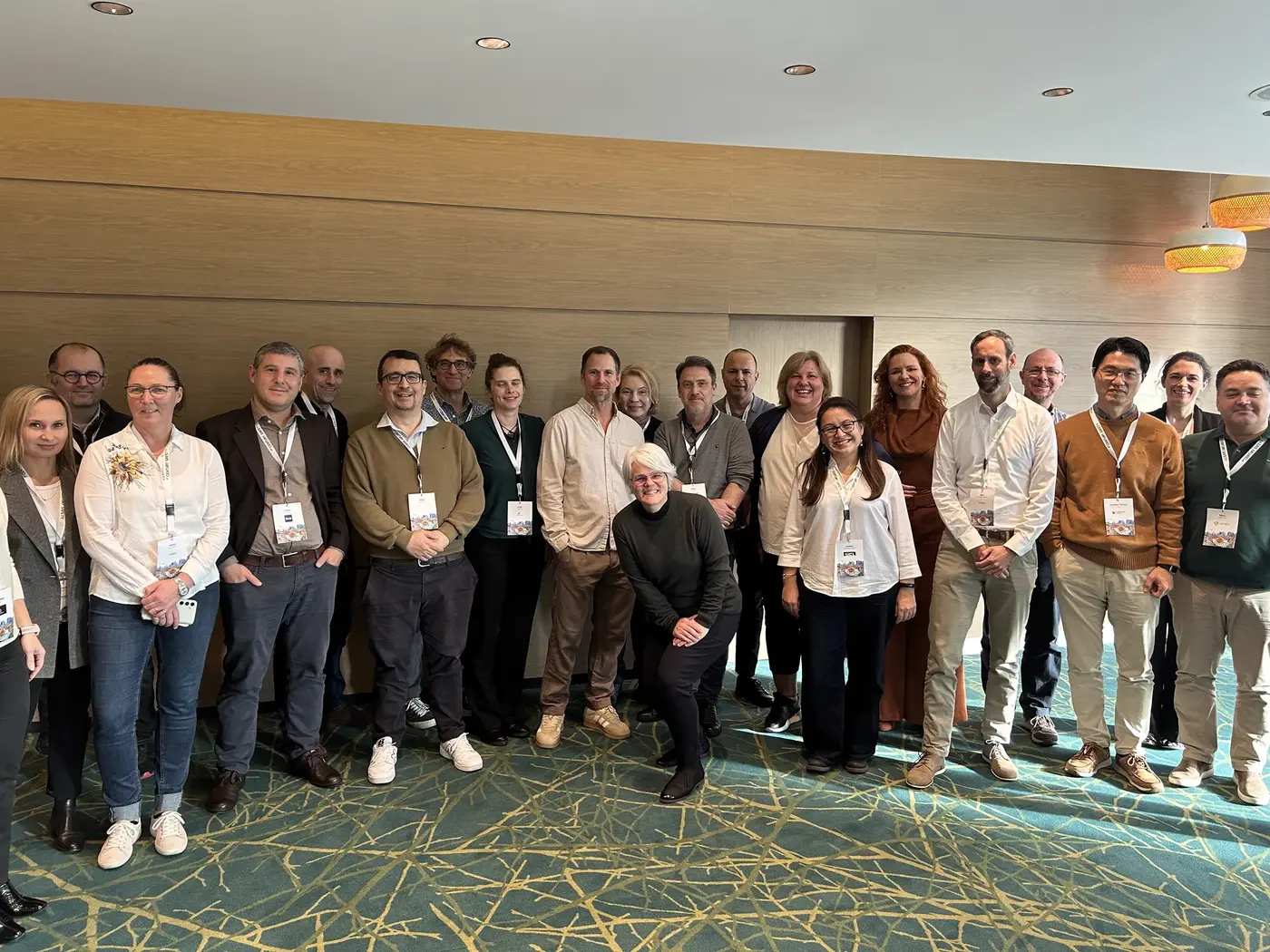
Thirty EHS leaders in one high-level thinking room in the middle of Paris. One integrated, strategic and operational view of safety, built across four multinationals — and the science that explains why it works.
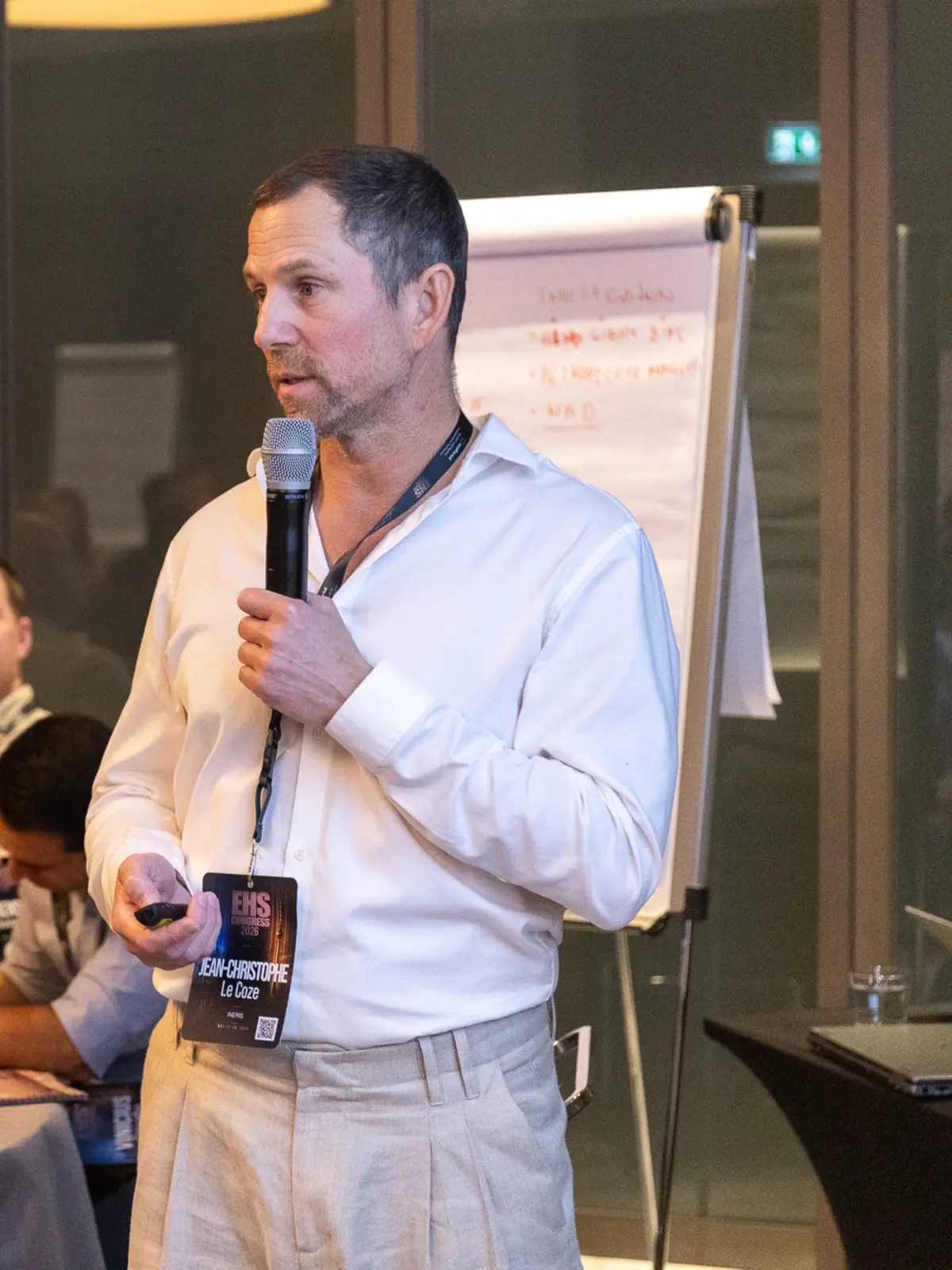
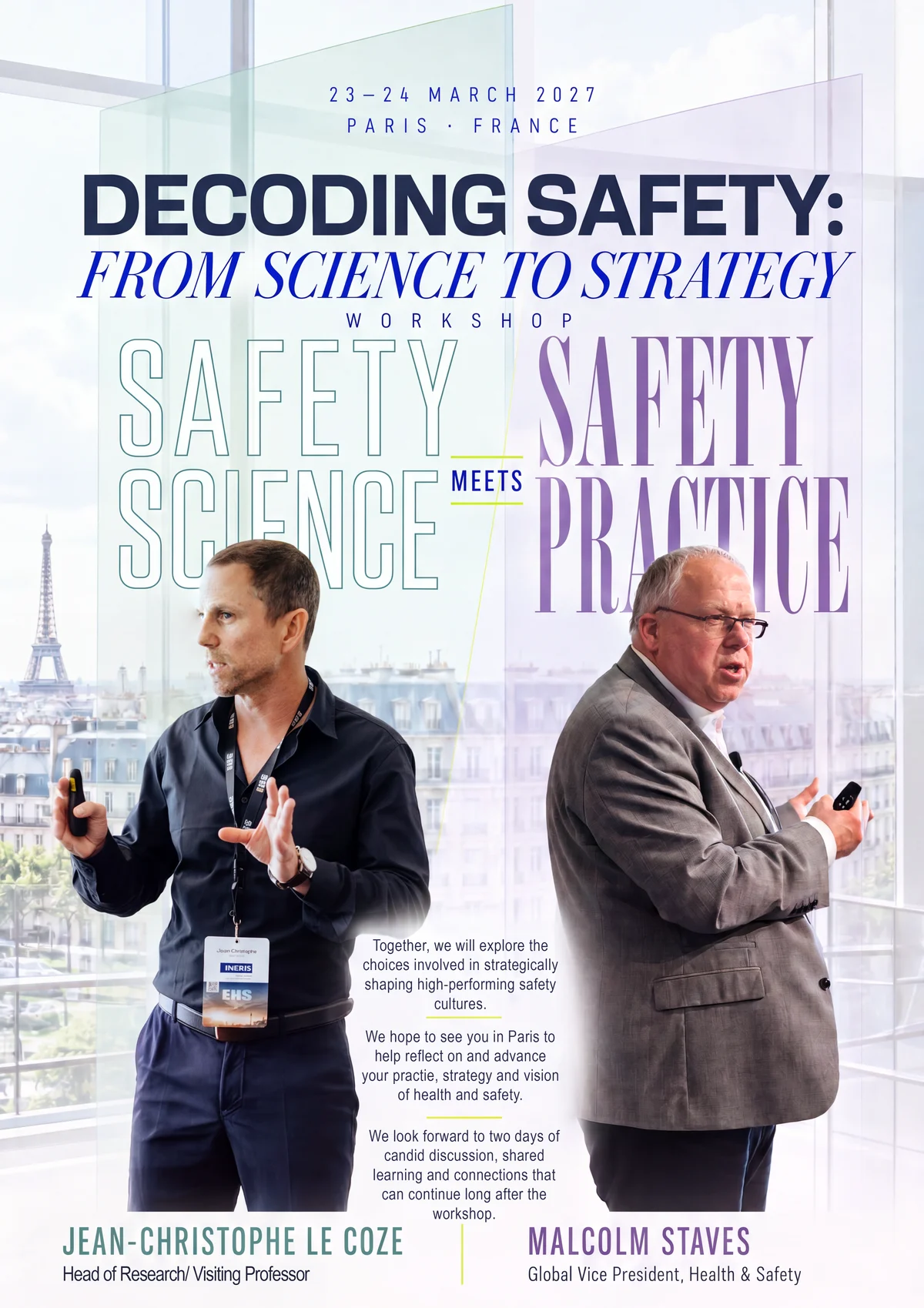
Head of Research / Visiting Professor. Twenty years of extensive fieldwork across industries, theoretical developments and publications, including the books “Beyond Organisational Accidents” (2026), “Safety in the Digital Age” (2023), “Post Normal Accident” (2020) and “Safety Science Research: Evolution, Challenges and New Directions” (2019).Meet him on Day 0, drink in hand.


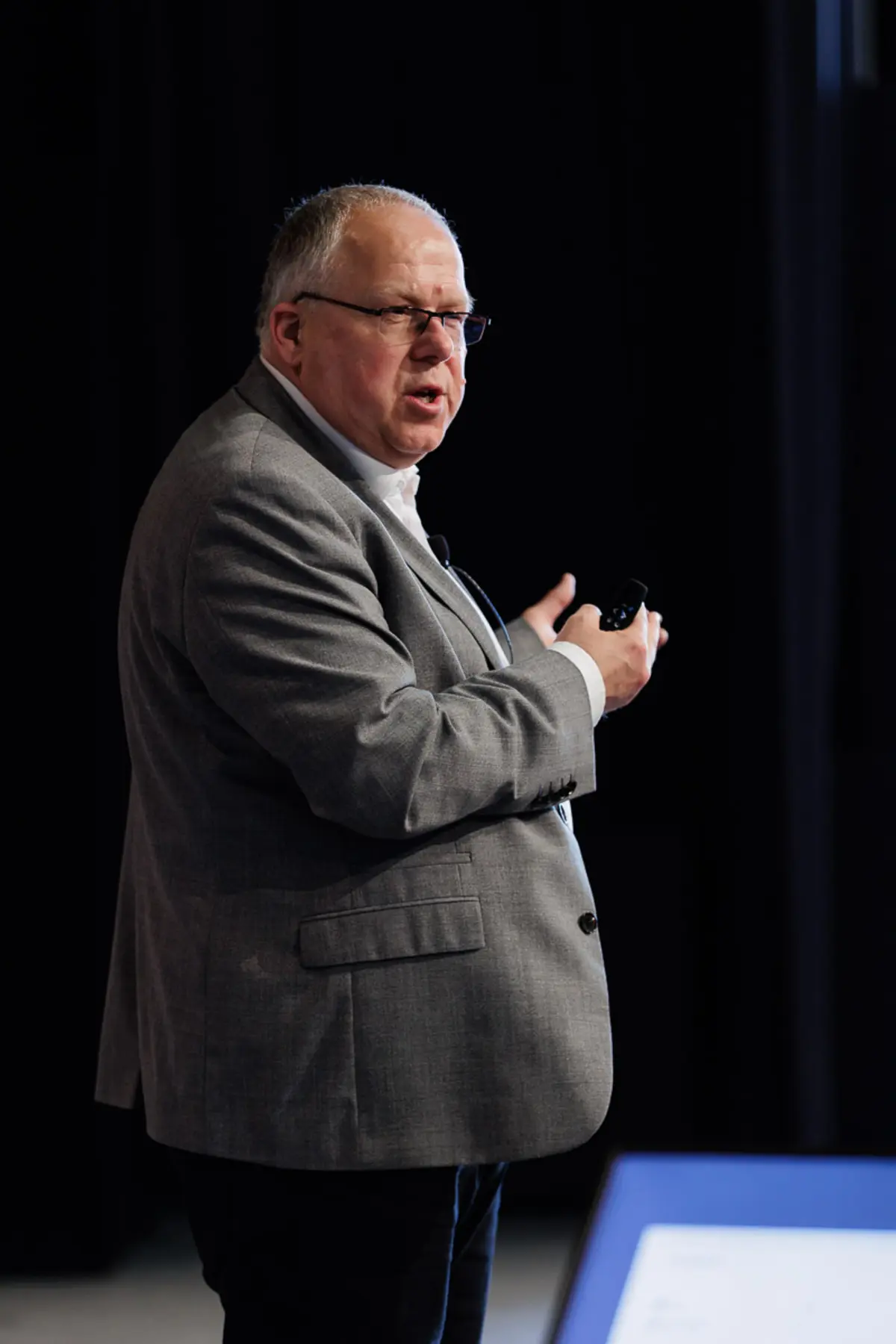
Global VP EHS, L'Oréal. Thirty-five years running health and safety across Alcan, Pechiney, American National Can and L'Oréal — the integrated, strategic and operational view you'll work with grew out of that experience: built, tested and simplified in the field.He'll be at your table more than at the front.
The aim
High-level thinking and systems (re)mapping — not a conference, not a classroom. You work through an integrated, strategic and operational view of safety, built up, tested and simplified across four blue-chip multinationals, and the research on why it holds up, with plenty of time for group tasks and faculty-assisted testing against your own company and your own system.
And nothing to sell you at the end of it. No programme, no software, no follow-up package — two people sharing what they know with peers, and the door left open for a candid email or a call afterwards if you want one.
Structure, governance, headquarters and sites, the programmes that reinforce each other and the ones quietly working against each other. Map the layers before you judge them.
Triangles, leading and lagging indicators, KPIs that measure activity versus KPIs that measure understanding. What to count, what to stop counting, and what the board actually needs to see.
Centralisation against local reality. Global standards that get interpreted, adapted, sometimes improved. Where ambiguity is healthy — and where, for serious-injury risk, it has to be engineered out.
Visible leadership, trust, participation, the quality of a conversation at the workface — and whether anyone in your organisation measures it, or only counts that it happened.
You leave with your own system on one page — and a short, honest list of what to change first.
Input from the faculty. Work at the tables. Feedback across the room. Then again, six more times.
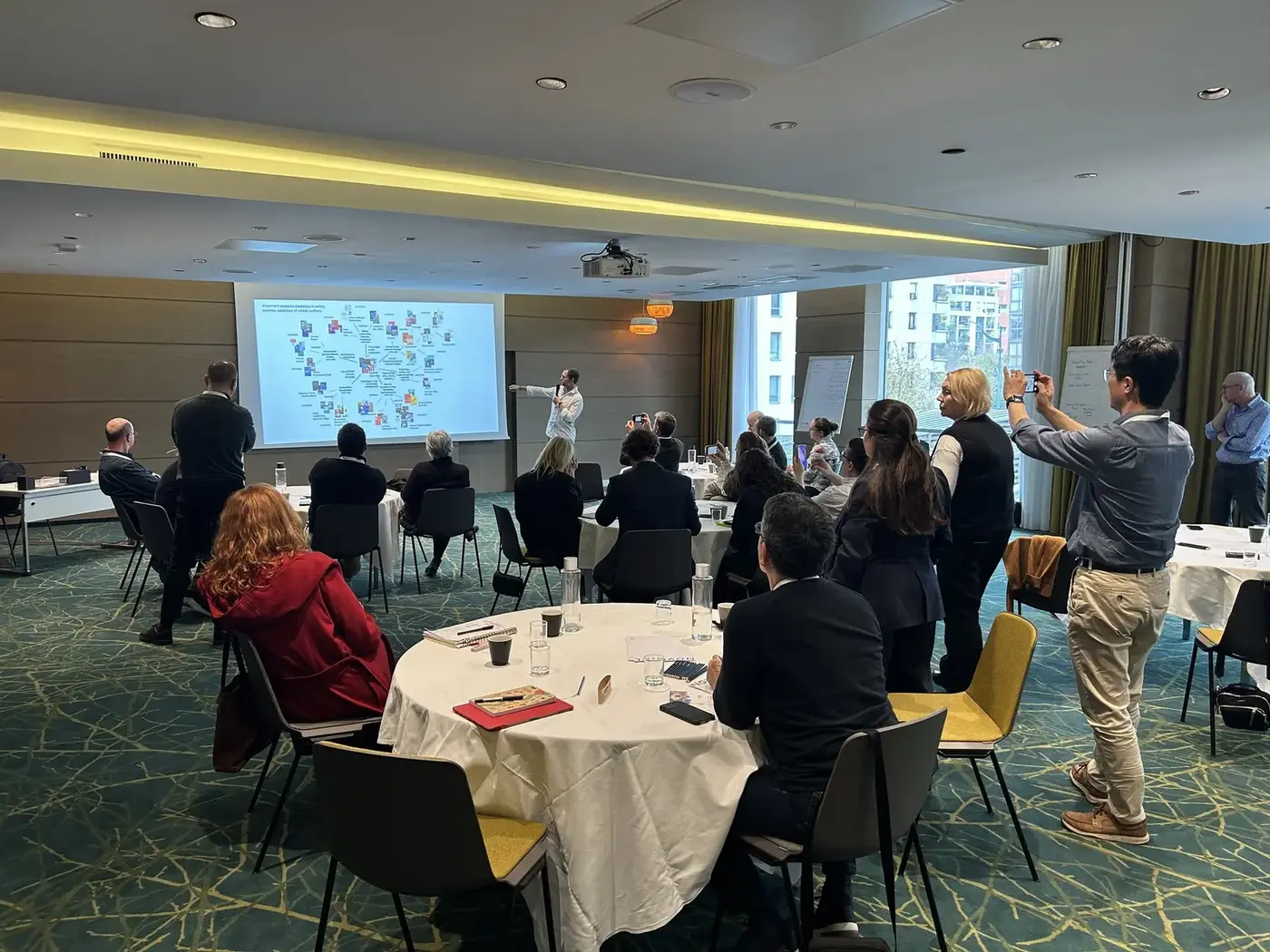
Four to six people per table, never more. Malcolm and Jean-Christophe move between the tables while you map your own internal system against the framework — challenging, correcting, comparing notes across companies. There is no other workshop in Europe run this way.
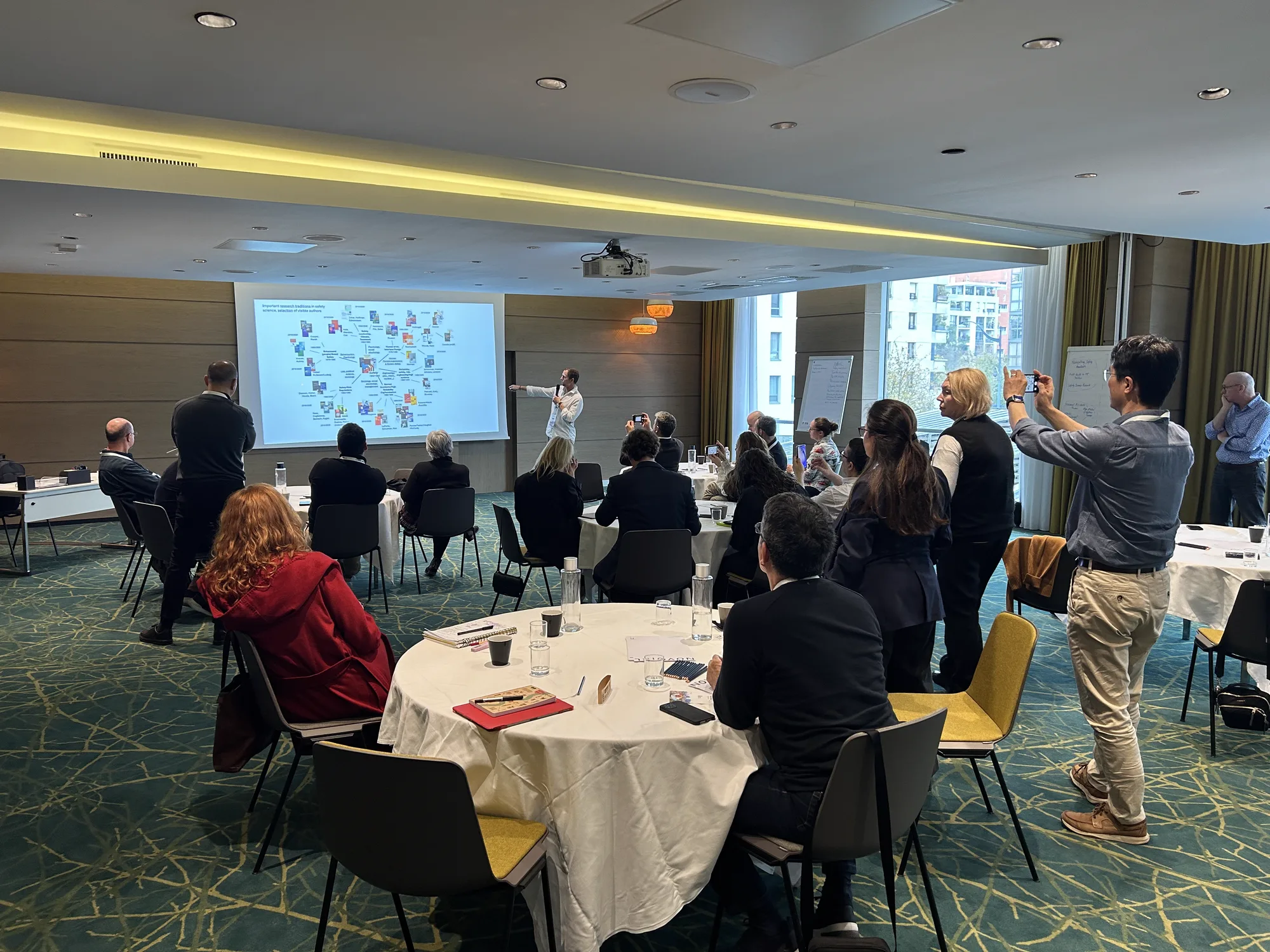
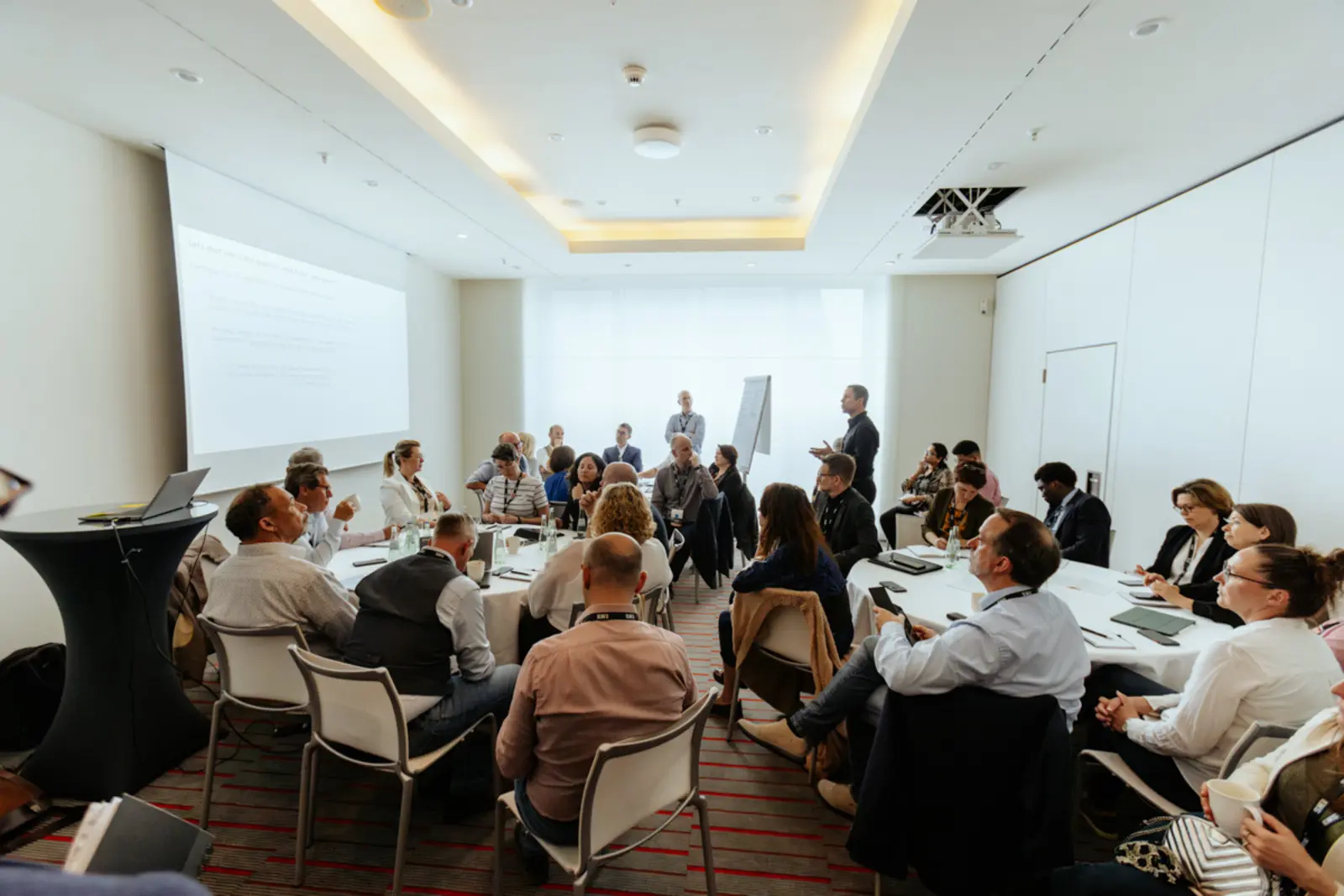
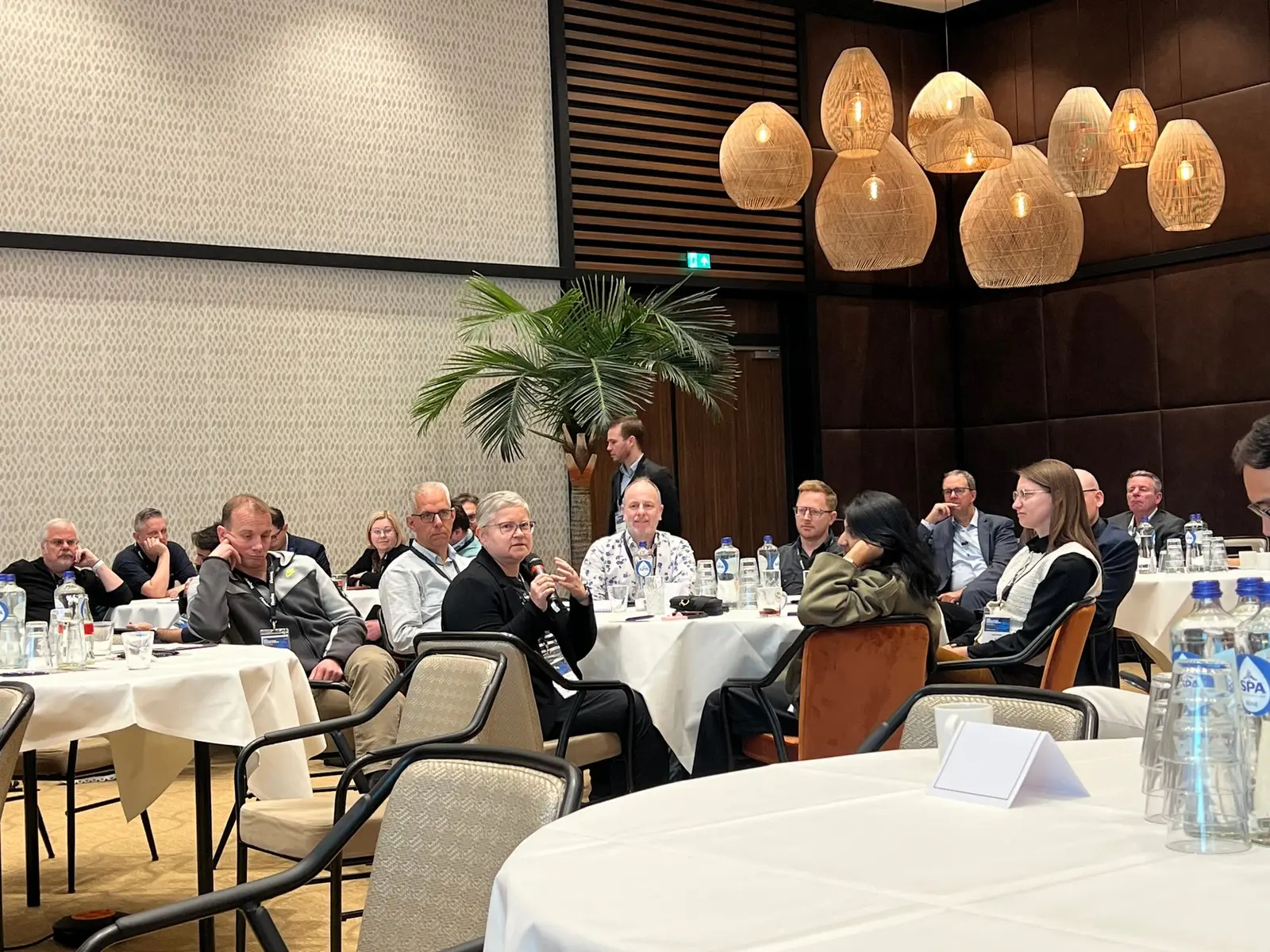
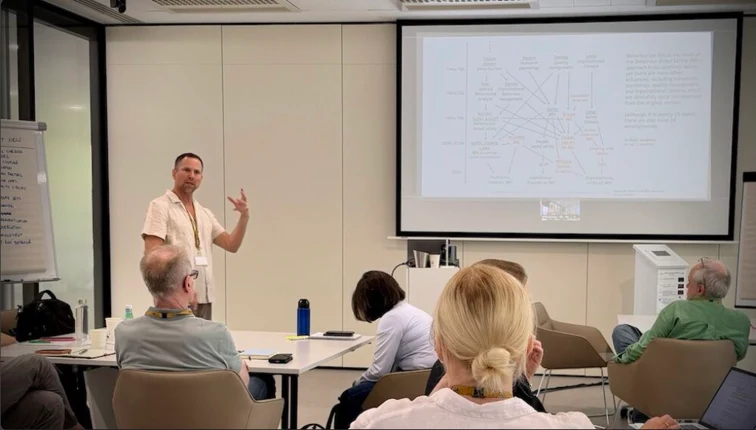
Around thirty EHS leaders from across industries — so the conversation at your table is rarely with your own colleagues, and always with someone who runs the same problem somewhere else.
The ideas and controversies of the moment. Every block puts one on the table, and you place your own practice against it. Hover or tap.
Seven workshops in one. At a conference you get one topic in ninety minutes; here every block is its own workshop — and they all connect.
Each block carries the science, the controversy that surrounds it, and how it was operationalised in practice — then your table works out what it means for your own organisation. No two blocks open the same way: some start with the research, some with Malcolm's practice, some with a question put straight to the room.
An integrated, strategic and operational view of safety, on one page — nine interlocking elements, built from four decades of practice across global multinationals, set against what the research says. It is not online and won't be. In the last two hours you hold your own system against it: which elements you have, which you're missing, which is worth building next.
Provisional running order. Times and block titles may still move; the themes won't.
The critical topics every multinational has to get right in health and safety — and none of them can be handled on its own. Each theme brings the science, the controversy and the practice, then turns to your organisation. You leave with something you can use on Monday: a clear view of your own system and a short, honest list of what to do about it.
Fifty years of research and practice, distilled: where the ideas came from, and why the field still argues about them.
Global standards meeting local reality — and how much freedom a site can take before the frame breaks.
Designing for serious injuries and fatalities, not for the count. SIF and PSIF, operationalised, from one blunt question: how could someone be killed here today?
From behaviour to engagement, human-centric safety and leading with safety, and what genuinely changes what people do.
Engineering and ergonomics together: human factors as the foundation of how work is designed, not an afterthought.
Leading and lagging, quantitative and qualitative — and the limits every KPI set eventually runs into.
The safety function as a business partner rather than a cost — and leadership as the thing that decides whether any of it works.
What audits see, what they miss, and whether you can audit culture without flattening it.
The human side as a driver of performance, not a soft extra. And the hard question: can you put it on a dashboard?
Your system on one page, in your own hand — and what to change first.
Around thirty senior EHS leaders, benchmarking openly at the table. For many people in industry, the contacts are worth as much as the content.
People from Jean-Christophe's earlier workshops kept talking about the topics they worked through — a circle to keep building skills, competence, confidence and knowledge with.
Malcolm and Jean-Christophe at your table for two days, at dinner on the 23rd, and a candid email or call afterwards if you want one.
Two days in the centre of Paris with thirty EHS leaders — thinking, working, and quite possibly having a bit of fun doing it.
A room big enough for six tables and proper roundtable work.
Lunch and refreshments on both days. Reception, dinner, and the delegate list.
Book your own; the venue is easy to reach from anywhere central.
23–24 March 2027. Reception on the 22nd. Day two ends at 16:00 for evening trains and flights.
Around thirty leaders in the room. The first ten seats go at the early price from 1 October — €350 below the standard price that applies from 1 December, or as soon as the ten are gone.
Every seat includes both full days, the reception on the 22nd, dinner on the 23rd, lunch and refreshments on both days, and the delegate list. Accommodation and breakfast are not included. All prices are net.
Invoice and wire transfer available. In collaboration: 21st Century Safety (Jean-Christophe Le Coze) and Hummingbird Leadership (Malcolm Staves), organised by IFS Group Kft., the team behind EHS Congress.
Nothing is sold in the room and nothing follows you home — no programme, no software, no upsell. Registration runs through our online shop — pick your seat, pay by card or request an invoice for wire transfer, and your place is confirmed by email. Early seats open on 1 October 2026.
Thirty companies. One conversation you can't have at your own head office.
Early seats from 1 October at €850, limited to the first ten. A collaboration between 21st Century Safety and Hummingbird Leadership, organised by IFS Group Kft., the team behind EHS Congress.